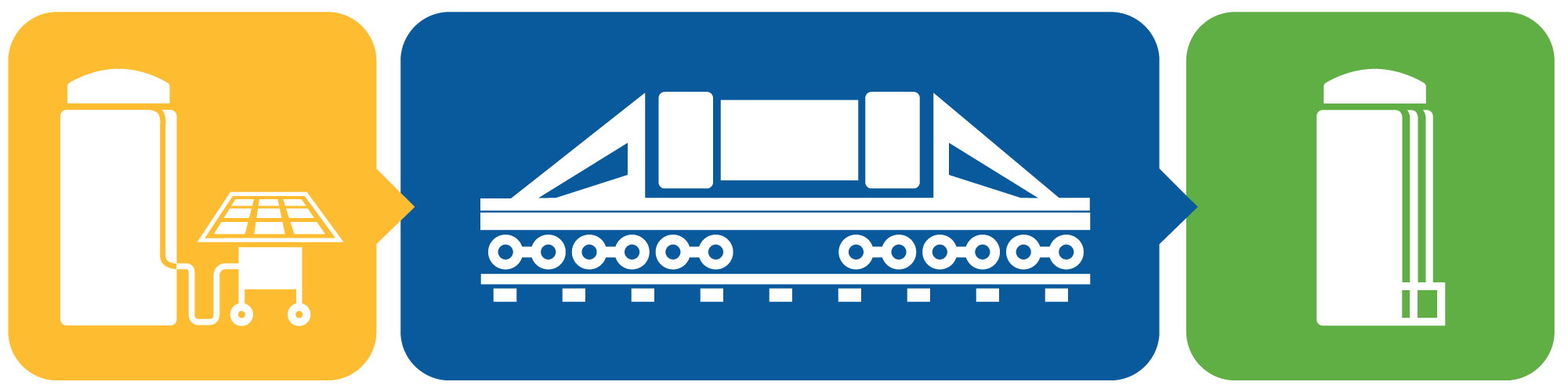
Demonstrating used nuclear fuel storage and transportation safety
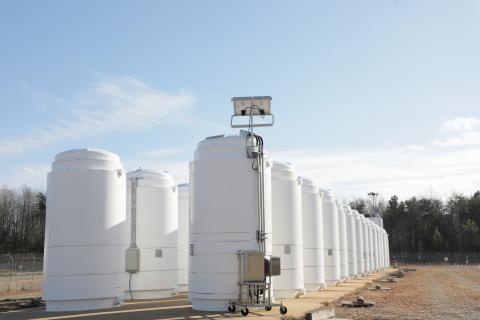
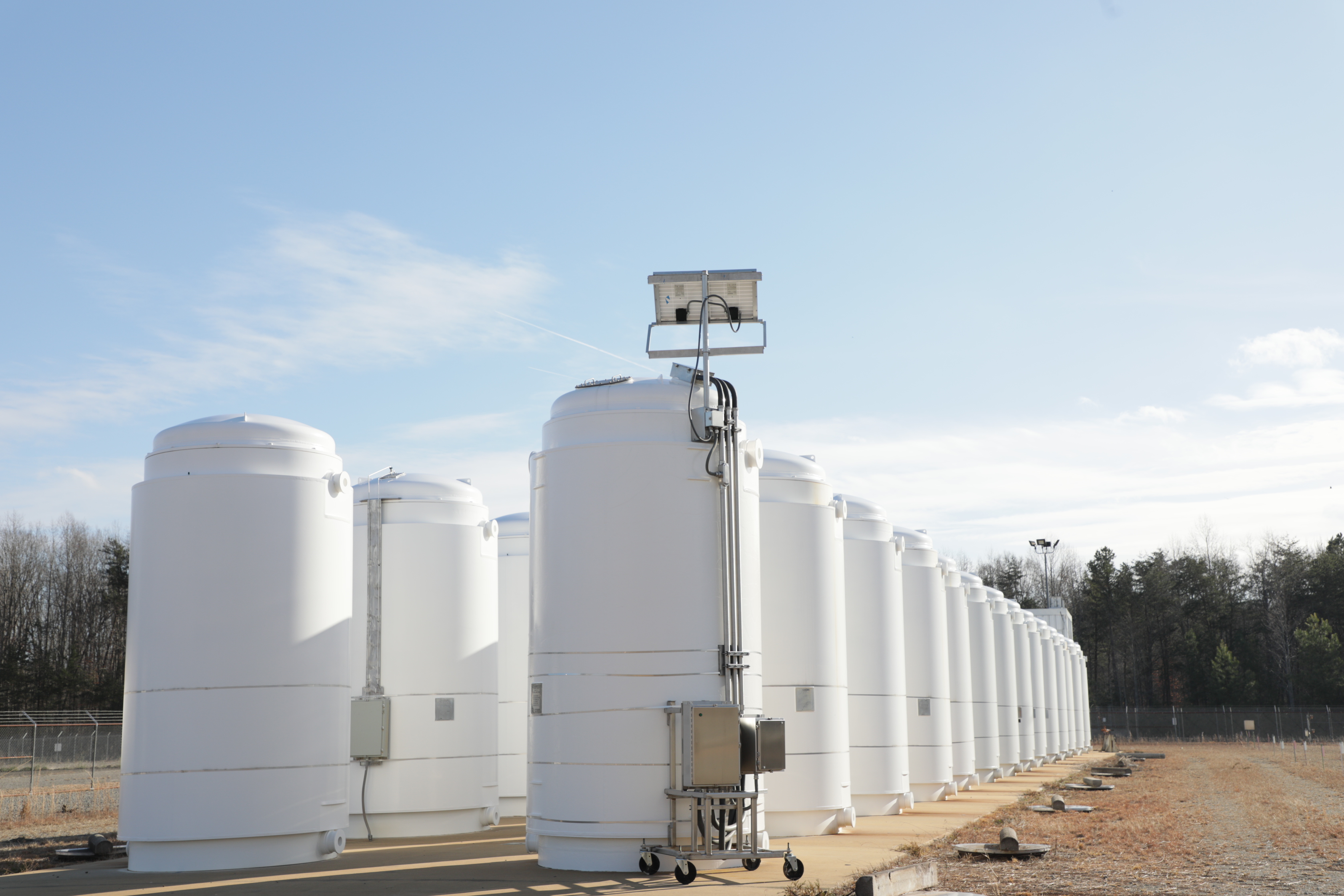
The High Burnup Research Cask Project is a collaborative research project between the U.S. Department of Energy and the Electric Power Research Institute, started in 2013. The purpose of the project is to investigate whether higher burnup nuclear fuels - fuels that are kept in a reactor core longer to produce electricity – perform similarly to lower burnup fuels once they are removed from the reactor and placed in dry storage containers. This project centers around one container, known as the “High Burnup Research Cask,” or HBURC.
This cask was modified with a special lid and instruments that have allowed researchers to monitor temperatures within the cask over time. DOE is currently developing plans to relocate the high burnup research cask from its current storage site, at a nuclear power plant in Virginia, to the specialized facilities at Idaho National Laboratory where it can be opened and the fuel inside investigated.
Featured Content
High Burnup Research Cask Project
What is High Burnup Research Cask Project? Play the video to learn more.
HBURC Fact Sheet
Background information on the HBURC project, supporting safe, long-term storage of used nuclear fuel.
NEPA Supplement Analysis
Link to DOE announcement of environmental review completion.
Photos

Frequently Asked Questions
High burnup used nuclear fuel refers to nuclear fuel that has undergone extended use in a reactor compared to lower burnup fuel, typically achieving higher levels of energy production before being removed.
The aim of this project is to examine whether high burnup nuclear fuels exhibit similar long-term behavior to lower burnup fuels after they are removed from reactors and placed in dry storage systems.
The findings from this research will be shared with U.S. nuclear power plants and the Nuclear Regulatory Commission (NRC), potentially supporting the extended dry storage of high burnup used nuclear fuel beyond the current 40-year initial licensing period. Currently, more than 50 U.S. nuclear power plants reference the Department of Energy's High Burnup Research Cask project within their NRC used nuclear fuel storage facility licenses.
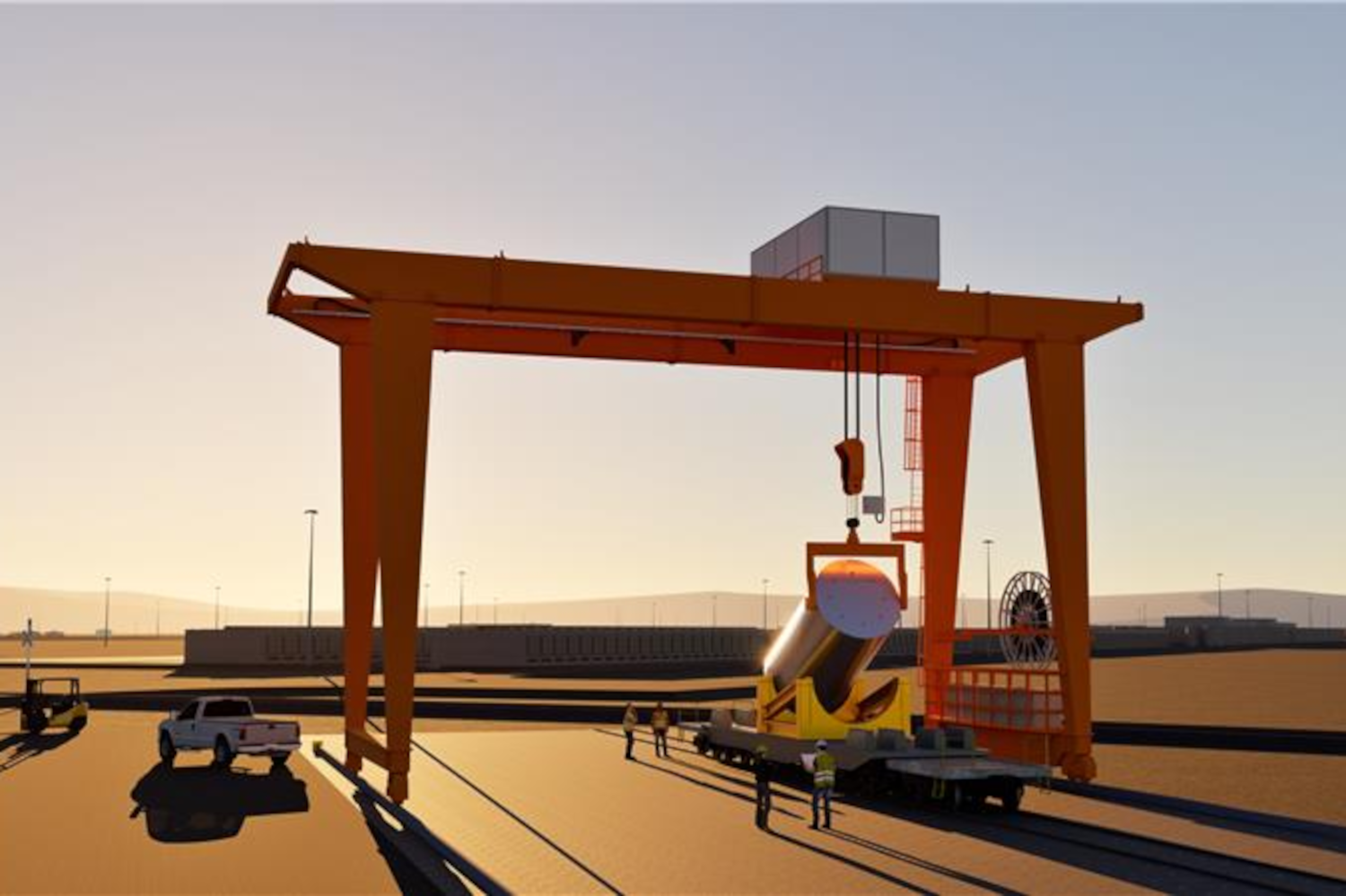
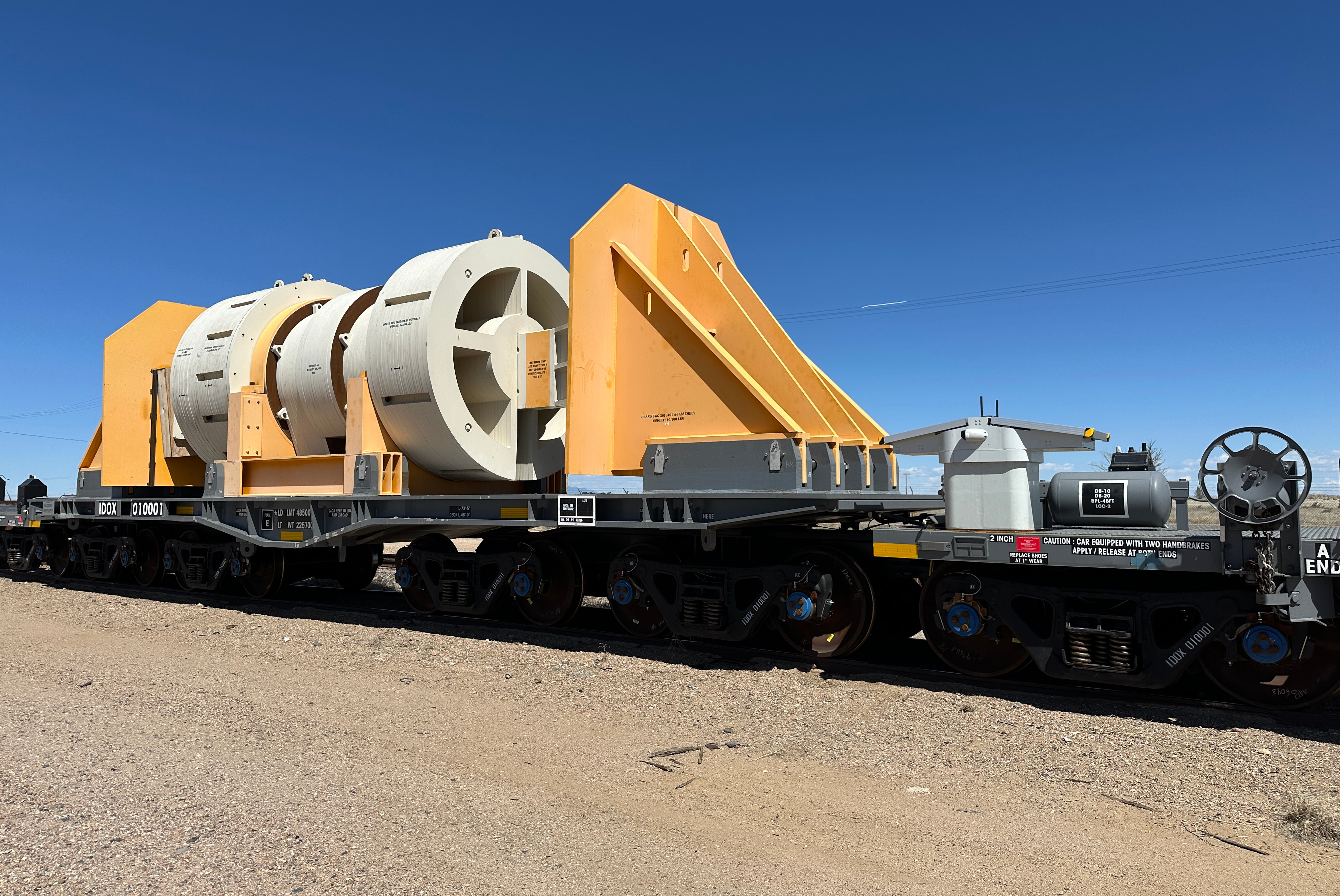
DOE is currently developing plans to relocate the HBURC from the North Anna Power Station in Mineral, Virginia, where it is currently stored, to the specialized facilities at Idaho National Laboratory in Idaho. Because of the size and weight of the cask, it will travel by train on DOE’s Atlas railcar, a 12-axle railcar specially designed to safely transport used nuclear fuel and certified by the Association of American Railroads (AAR) to meet the strictest industry standards. DOE is working with internal teams, nuclear industry, and the origin and destination sites to ensure operational and logistical procedures and equipment are in place for the shipment. DOE is also working with Federal, Tribal, and State partners along the likely rail route to ensure that all parties are notified in advance and prepared for the shipment.
Specialized science facilities, like those available at national laboratories, are needed to safely open the cask and examine fuel rods. In 2025, DOE and the State of Idaho signed a waiver to the Idaho Settlement Agreement allowing a high burnup fuel cask with experimental fuel to be shipped to Idaho, which offers these types of specialized science facilities. Research data from the cask will be used by commercial nuclear power plants to meet U.S. Nuclear Regulatory Commission requirements. Read more about this agreement.
To ensure the safety of this shipment, DOE is using a cask that has been certified by the U.S. Nuclear Regulatory Commission for both storage and transportation. The cask will be loaded onto the Atlas railcar, which was specifically designed to ensure safe transportation. The Atlas railcar will be accompanied by a specially designed security railcar that carries armed guards, and the train is equipped with a real-time safety monitoring system. DOE is coordinating the shipment with other Federal agencies and with Tribal and State governments along the route. DOE is offering technical assistance to these entities and training for emergency responders through DOE’s Transportation Emergency Preparedness Program.
The cask will be received at Idaho National Laboratory, where DOE will continue to collect data and conduct research on the high burnup research cask, including opening the cask to remove fuel rods for examination.
DOE established an ad hoc working group through its National Transportation Stakeholders Forum (ntsf.info) to facilitate dialogue among DOE, Tribal and State governments along the likely rail route, the Federal Railroad Administration (FRA), and other Federal agencies, as applicable. The ad hoc working group serves as a central communication point to coordinate training plans, technical assistance needs, transportation plans, and public communication resources for the shipment.
Stay informed by signing up for the newsletter, where you'll receive the latest updates and news on the project, as well as announcements about opportunities to participate in upcoming events or webinars.
Stay Connected with the HBURC project
Subscribe to get the latest updates, news and upcoming events.

Erica Bickford
US Department of Energy, Director of the Office of Storage & Transportation

Sara Hogan
U.S. Department of Energy, Federal Lead for State and Tribal Coordination

Miriam Juckett
Pacific Northwest National Laboratory, National Laboratory Project Manager and Outreach and Engagement Team Lead
Kevin Connolly
Oak Ridge National Laboratory, Equipment and Loading Operations Team Lead
Email